Issue, October 2026
Newsletter
Conceptual Radiology Newsletter | September Highlights
September brought a series of important learning opportunities for radiology residents, combining expert-led lectures with focused, examination-oriented training. In this newsletter, we revisit two key highlights: the important concepts covered in our lectures and the return of CRISP, our two-day intensive imaging skills programme.
Both reflect an important part of radiology learning: understanding the concepts behind an image and applying that knowledge to clinical cases, vivas and examinations.
Expert-Led Lectures — Strengthening Concepts Beyond Textbooks
Radiology preparation is not just about remembering imaging findings. It is about understanding why a finding appears, recognising subtle features, building a differential diagnosis and arriving at the most appropriate interpretation.
Our expert-led lectures focus on making these concepts easier to understand and apply, whether you are revising for examinations or strengthening your clinical approach.
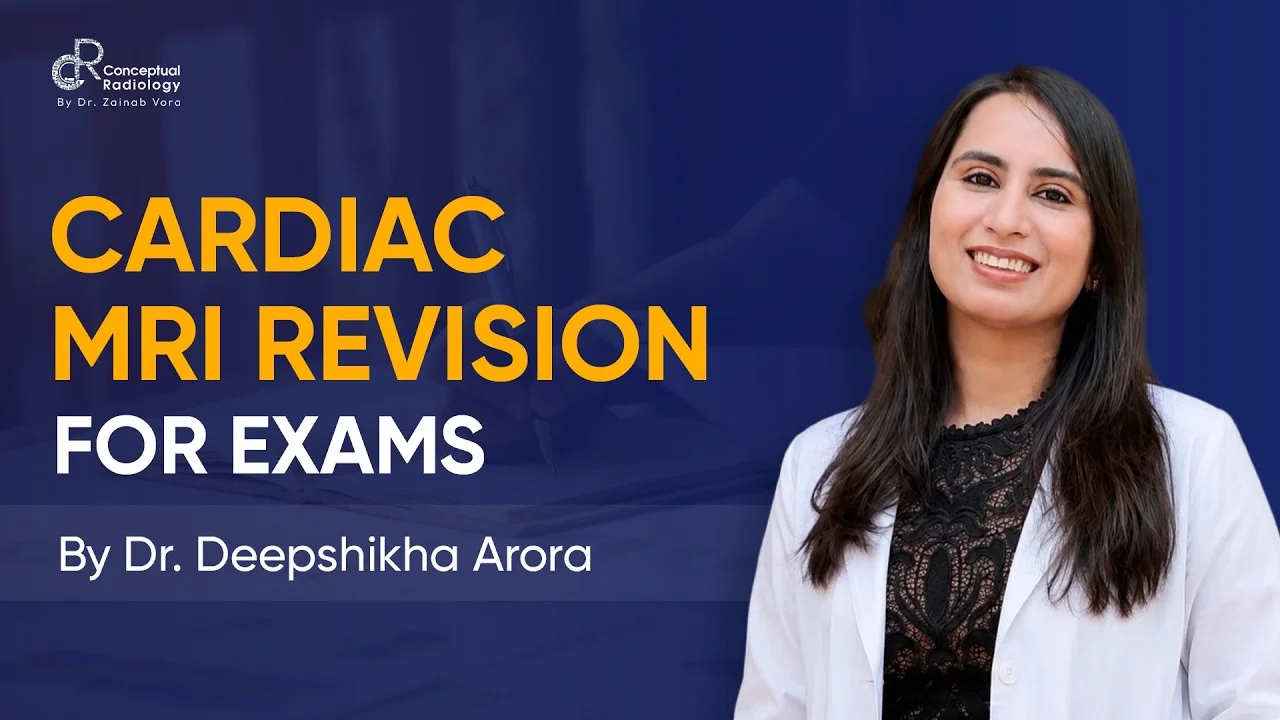
1.Cardiac MRI Revision for Exams | Dr. Deepshikha Arora
Cardiac MRI is a high-yield topic that requires an understanding of imaging sequences, cardiac function and tissue characterisation. This lecture simplified important concepts and connected them with their examination relevance.
Key topics included:
- Cardiac MRI indications: Understanding its role in cardiac morphology, function, tissue characterisation, viability and flow assessment.
- Late Gadolinium Enhancement (LGE): Understanding how enhancement patterns help differentiate myocardial scar and fibrosis from other tissue changes.
- Cardiac Gating: Learning why cardiac motion affects image acquisition and how prospective and retrospective gating differ.
- Exam-Oriented Revision: Revisiting advantages, limitations and frequently tested concepts, including important points for long-answer questions.
Why should you watch it?
A clear understanding of Cardiac MRI helps you move beyond memorising lists and build a structured answer for examinations. It also strengthens your understanding of how imaging findings contribute to clinical decision-making.
2. Interactive, Image-Based Case Discussions
Recognising a finding is only the first step in radiology. The next challenge is interpreting it correctly, considering relevant differentials and distinguishing between conditions with similar imaging appearances.
Our case-based discussions focused on precisely these skills, using examples such as:
- Groove pancreatitis and paraduodenal pancreatitis
- Choledochal cysts and intraductal papillary mucinous neoplasms (IPMN)
- Neuroblastoma metastasis
- Coarctation of the aorta
- Mesenchymal hamartoma and other hepatic masses
Why are these discussions important?
They encourage residents to look beyond the most obvious diagnosis, recognize subtle imaging features and understand how anatomy, clinical history and differential diagnoses work together. These are valuable skills for image-based examinations, spotters, viva questions and everyday reporting.
Want to watch more lectures?
Explore the lecture clips on our YouTube channel and revisit important concepts at your own pace.
CRISP — Two Days Dedicated to Imaging Skills and Exam Preparation
CRISP | 19–20 September 2026
Conceptual Radiology Imaging Skills Program
September also marked the return of CRISP at Vidya Jeevan, Greater Noida. Designed exclusively for Premium Subscribers, this two-day intensive revision programme brought together high-yield topics, image-based practice, case discussions and focused examination preparation for MD, DM and DNB Radiology aspirants.
What Did CRISP Cover?
The programme addressed several important areas of radiology through a structured learning experience:
- High-yield radiology revision and recent advances
- Interventional radiology concepts
- Abdominal and neuroradiology
- Musculoskeletal, fetal and women’s imaging
- Head and neck radiology
- DNB OSCE and table viva preparation
- Long cases, clinical discussions and spotter quizzes
- Future prospects and career insights
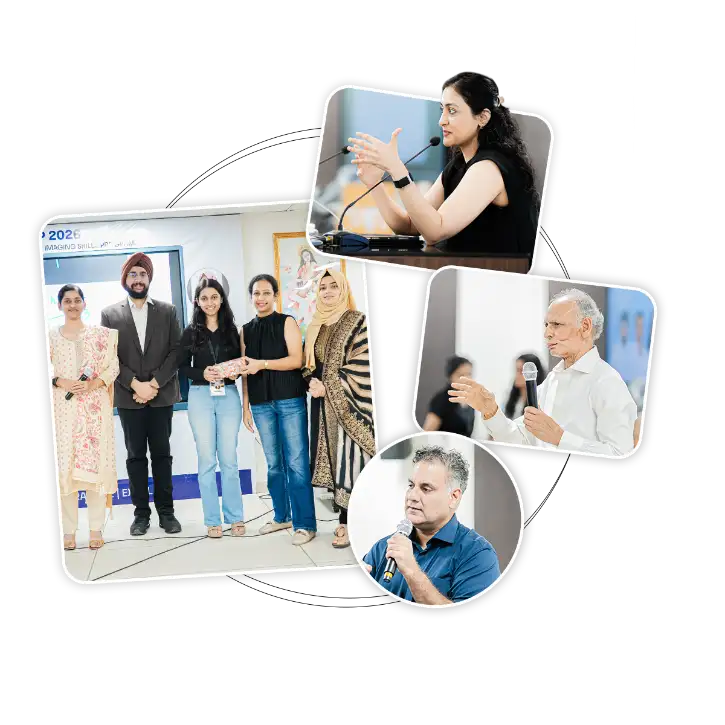
Why Was CRISP Important for Residents?
Radiology examinations demand more than theoretical knowledge. Residents need to interpret images systematically, identify key findings, differentiate between similar conditions and present their answers confidently during vivas and case discussions.
CRISP brought these essential learning elements together in a focused programme. Through intensive revision and practical image-based learning, residents had the opportunity to reinforce important concepts, practise their diagnostic approach and identify areas that required further attention.
The programme also highlighted the importance of preparing across different subspecialties instead of relying only on familiar or frequently studied topics.
Missed CRISP this time? Don’t worry!
CRISP was an important learning opportunity, and we look forward to bringing residents more such focused learning experiences. Keep following Conceptual Radiology for updates on upcoming programmes, expert-led sessions and future opportunities to strengthen your imaging skills.
Continue Your Learning with Conceptual Radiology
Every lecture is an opportunity to revisit a difficult concept, understand an unfamiliar imaging pattern or improve your approach to a clinical case. Consistent learning, combined with structured revision, can help you build a stronger foundation throughout residency.
At Conceptual Radiology, we remain committed to bringing residents insightful lectures, clinically relevant discussions and structured learning plans that support their academic and professional growth.
Stay connected for more expert-led lectures, upcoming programmes and learning opportunities.
Keep Learning. Keep Revising. Keep Progressing.
Your next learning opportunity could be just around the corner. Stay connected with Conceptual Radiology
JOIN CONCEPTUAL Radiology
Your next level of Radiology learning starts here.